
5 min read

Boosting Productivity and Efficiency with Human-Centric AI Design

Boosting Productivity and Efficiency with Human-Centric AI Design
7:43

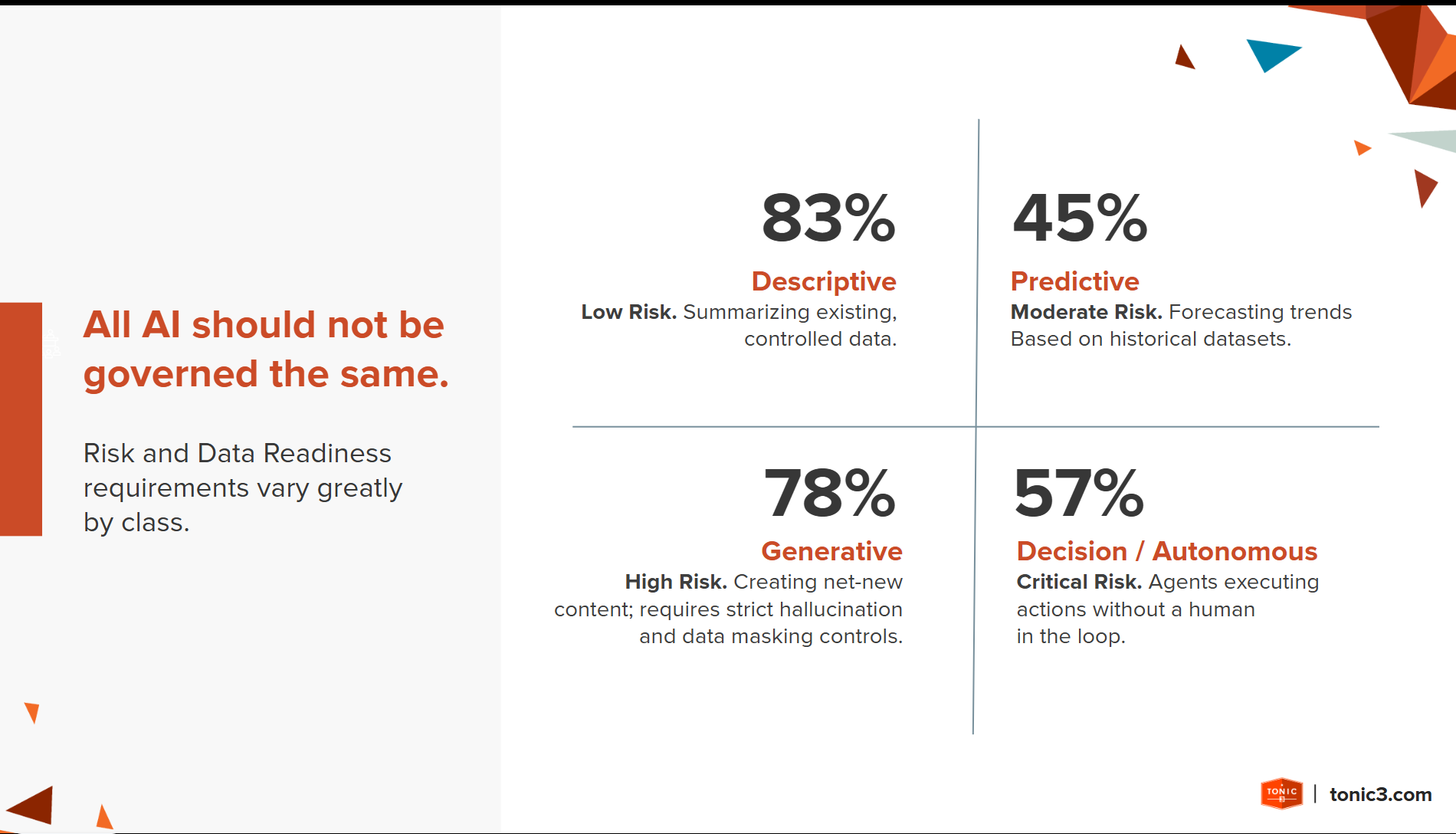
Companies are already reporting  75% AI projects delivered. Planned. Delivered. We've talked with companies still ironing out their first wave of AI? So with all that dev work, Where has UX gone?

To truly capitalize on these technological investments and drive significant ROI, we must move beyond simply deploying these powerful tools. Our focus must shift towards ensuring rapid and effective adoption across all teams. The key to unlocking this adoption lies in a strategic integration of Design Thinking.

Let's be clear: Design Thinking is not a soft skill; it is a core strategic competency for maximizing the return on Gen AI investments.


Why Human-Centered AI and Design Thinking Matter for Gen AI Adoption

Many enterprises report that more than 75% of their AI projects have moved from plan to delivery. Yet in conversations with leaders, we still hear about organizations struggling with their first wave of Gen AI initiatives. With all this development effort, a critical question emerges: where has UX gone?

To truly capitalize on AI investments and realize meaningful ROI, it’s not enough to ship models, agents, and tools. The real differentiator is rapid, effective Gen AI adoption across teams. That adoption depends on strategically integrating Design Thinking and human-centered AI (HCAI) into how AI is conceived, built, and rolled out.

Design Thinking is not a soft skill. It is a core strategic competency for maximizing the return on Gen AI and AI agent investments.

Ricardo Prada, PhD, Google DeepMind

As we navigate this transformative era, simply providing access to sophisticated AI tools is insufficient. Your employees need to understand how these tools fit into their workflows, why embracing them could increase productivity, and feel confident in their ability to leverage them effectively. This is where Design Thinking becomes paramount.

From Access to Adoption: Why UX and Design Thinking Are Essential

As we navigate this transformative AI era, simply providing access to powerful Gen AI tools and AI agents is not enough. Employees must:

  • Understand how these tools fit into their existing workflows
  • See clearly how AI can increase productivity and reduce friction
  • Feel confident using AI systems and agents responsibly and effectively

This is where Design Thinking for AI becomes paramount: it bridges the gap between technical capability and everyday usability, making AI UX a strategic lever for adoption and ROI.

Design Thinking as a Strategic Skill for Human-Centered AI

Call them strategic-minded leaders or “logic designers”—either way, the trend is clear. Organizations that successfully harness Gen AI, traditional ML, and AI agents are elevating Design Thinking as a critical capability.

Design Thinking provides the framework for building user-centric, human-centered AI systems that are:

  • Technologically advanced
  • Intuitive for non-technical employees
  • Aligned with real-world behaviors, workflows, and mental models

The Interaction Design Foundation defines Human-Centered AI (HCAI) as AI that augments human capabilities and preserves meaningful human control. This approach is often brought to life through Human-in-the-Loop (HITL) design principles, where humans stay actively involved in oversight, decisions, and continuous improvement.

This combination—HCAI plus HITL—is the linchpin for seamless AI integration and accelerated adoption in the enterprise. 

Ricardo Prada, PhD, Google DeepMind


Why Design Thinking is the Catalyst for Gen AI Adoption and ROI:

  1. Ensuring Relevance and Usability for Optimal Performance: Gen AI's power is wasted if it doesn't address real pain points and integrate seamlessly into existing workflows. Design Thinking discovery methodologies, such as user research and journey mapping, provide critical insights into how our teams actually work. By understanding their needs, challenges, and mental models, we can tailor AI solutions that are not just powerful but also practical and readily embraced. This targeted approach directly translates to better adoption, which is the key to improved efficiency and performance.

  2. Building Trust and Confidence for Accelerated Uptake: The "black box" nature of some AI can create apprehension and hinder adoption. Design Thinking emphasizes transparency and user understanding. By focusing on clear communication of AI capabilities and incorporating human oversight through HITL design, we build trust and empower our teams to confidently integrate AI into their daily tasks. When employees understand how AI assists them and retain a degree of control, they are far more likely to adopt it enthusiastically.

  3. Minimizing Friction and Maximizing Efficiency: Poorly designed AI interfaces can create frustration and impede productivity, undermining ROI. Design Thinking emphasizes intuitive, user-friendly experiences, making Experience Design strategists and CX leaders crucial in AI development to ensure these tools enhance team performance. This also improves end customer experience, as effective employee AI use translates to better service. Just as prioritizing well-designed customer experiences boosts profit and satisfaction by reducing friction, the end customer experience is also impacted through an employee’s ability to get the most out of the tools they use to serve and support customers. E-commerce experiences like those outlined here in AI-Driven UX Personalization: How Smart Technology is Revolutionizing E-Commerce Customer Experiences in 2025 offer a great set of reasons for tailoring AI solutions to specific user needs for better adoption and performance.


  4. Cultivating Innovation and Faster Outcomes Through Continuous Design:  Design Thinking's iterative nature encourages experimentation and continuous feedback. By  actively involving Experience Design Strategists in the development and refinement of AI tools, we not only ensure better usability but also foster a culture of innovation and ownership. This ongoing feedback loop is crucial for maximizing the long-term value and adaptability of our AI investments.

PLAN YOUR AI BUDGET This is your opportunity to move from "what if" to "this is our plan." Open the free AI Planning Budget Template (format: google sheet)  


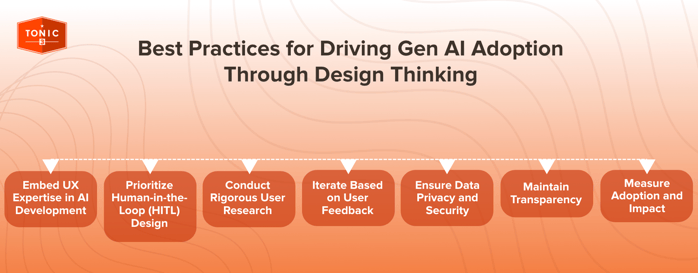
Best Practices for Driving Gen AI Adoption Through Design Thinking:

  • Embed UX Expertise in AI Development: Integrate Design Leaders and AIX Strategists directly into AI development teams to champion the user perspective from ideation to deployment.
  • Prioritize Human-in-the-Loop (HITL) Design: Implement HITL principles to ensure human oversight and control in AI processes, fostering trust and enabling nuanced decision-making.
  • Conduct Rigorous User Research: Invest in understanding the specific needs and workflows of your teams to tailor AI solutions effectively.
  • Iterate Based on User Feedback: Establish clear channels for feedback and actively incorporate user insights into the ongoing development and refinement of AI tools.
  • Ensure Data Privacy and Security: Build trust by prioritizing data privacy and security in all AI implementations.
  • Maintain Transparency: Clearly communicate the capabilities and limitations of AI tools to your teams.
  • Measure Adoption and Impact: Track key performance indicators such as user engagement, task completion times, and satisfaction levels to quantify the ROI of AI adoption and identify areas for improvement.


Tonic3 Best Practices for Driving GenAI Adoption


Next Steps in Creating Human-Centered AI Experiences


"Can we prepare ourselves philosophically and methodologically for all the changes that are coming, and guide our society towards a world we actually want to live in."


Ricardo Prada, PhD, Google DeepMind - Co-Lab Continued: Designing a Future for UX (with Ricardo Prada) - Dscout


To recap, we’ve outlined a strong case describing how prioritizing human needs drives innovation, boosts productivity, and delivers a strong return on investment in AI initiatives. 

Embedding Design Thinking into our Gen AI initiatives will allow us to proactively shape the future of our organizations, ensuring the integration of AI aligns with our goals for a desirable future– in productivity, innovation and ROI. Google’s Design Strategist Ricardo Prada suggests Experience Design Strategists have an important role in guiding the future design and use of AI. The organizations that are early to embrace human-centered AI experiences will have teams who not just adopt but truly benefit from these technologies.

Why Partner with Tonic3 to guide your teams in engineering Human-Centered AI Experiences? 

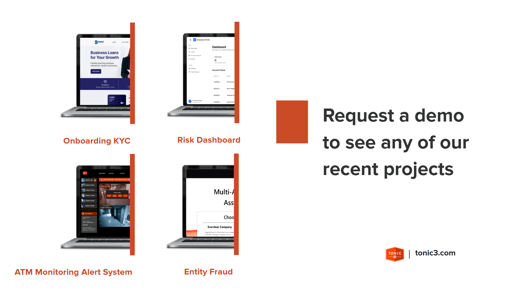
Request to see AI agent demosOur innovative approach to agent orchestration balances automated efficiency with critical human oversight—ensuring both compliance and peak productivity. When trusted technology and expert insight work together, you not only get faster results but also the flexibility to focus on strategic decisions. Elevate your operations and drive ROI with a solution designed for today's dynamic business landscape. 


SOURCES 


Frequently Asked Questions: 

Why is Design Thinking important for adopting Generative AI (Gen AI) in organizations?

Design Thinking is crucial because it ensures AI solutions are user-centric, addressing real pain points and integrating seamlessly into existing workflows. This approach enhances usability, builds trust, minimizes friction, and fosters faster adoption, ultimately maximizing ROI from AI investments.

What role does Human-in-the-Loop (HITL) design play in AI adoption?
HITL design incorporates human oversight and control within AI processes, which helps build user trust and confidence. By enabling employees to understand and manage AI tools, HITL reduces apprehension about AI’s "black box" nature and encourages enthusiastic adoption.
How can companies ensure their AI tools are effectively adopted by employees?

Companies should embed UX expertise in AI development, conduct rigorous user research to understand workflows, prioritize transparency, maintain data privacy, and iterate AI tools based on continuous user feedback. These practices ensure AI solutions are relevant, intuitive, and trusted by employees.

What benefits does integrating Design Thinking bring to the long-term use of AI technologies?

Design Thinking’s iterative process encourages continuous experimentation and feedback, fostering innovation and ownership. This ongoing refinement helps AI tools remain adaptable, usable, and aligned with evolving user needs, thereby sustaining productivity and maximizing long-term value.

How can organizations measure the success of AI adoption initiatives?

Success can be measured by tracking key performance indicators such as user engagement, task completion times, satisfaction levels, and overall impact on productivity. These metrics provide insights into adoption rates and help identify areas for further improvement to boost ROI. 


How HR Leaders Can Use Quick AI Wins for Strategic Growth

How HR Leaders Can Use Quick AI Wins for Strategic Growth

HR leaders today face a constant tug-of-war. On one side, there’s the endless stream of employee questions about benefits, leave policies, and...

Read More
Streamline Automated Workflows with HITL Agent Orchestration

Streamline Automated Workflows with HITL Agent Orchestration

Organizations can elevate performance and realize their full ROI on IT investments with seamless integration of human-in-the-loop (HITL) agent...

Read More