

The Human Touch: Why UX is ready to Lead the AI Revolution
From the days of hand-coded HTML in 1995 to today’s immersive AR/VR playgrounds and genAI explosion, at Tonic3, we've always been about using...
Tonic3 develops and executes strategies that drive profit through Digital Transformation. Practically that means we are built to help clients hone the right strategy, implement the right technology, and build the right long-term capabilities to deliver lasting transformation.
Industries
We believe that effective technology helps people succeed in their daily lives. So we help our clients engineer useful technology for their clients, partners, and employees. That translates to every major industry, but over the years we’ve developed several core areas of expertise.
5 min read
Tonic3
:
Jul 6, 2025 3:58:11 PM
Companies are already reporting 75% AI projects delivered. Planned. Delivered. We've talked with companies still ironing out their first wave of AI? So with all that dev work, Where has UX gone?
To truly capitalize on these technological investments and drive significant ROI, we must move beyond simply deploying these powerful tools. Our focus must shift towards ensuring rapid and effective adoption across all teams. The key to unlocking this adoption lies in a strategic integration of Design Thinking.
Let's be clear: Design Thinking is not a soft skill; it is a core strategic competency for maximizing the return on Gen AI investments.
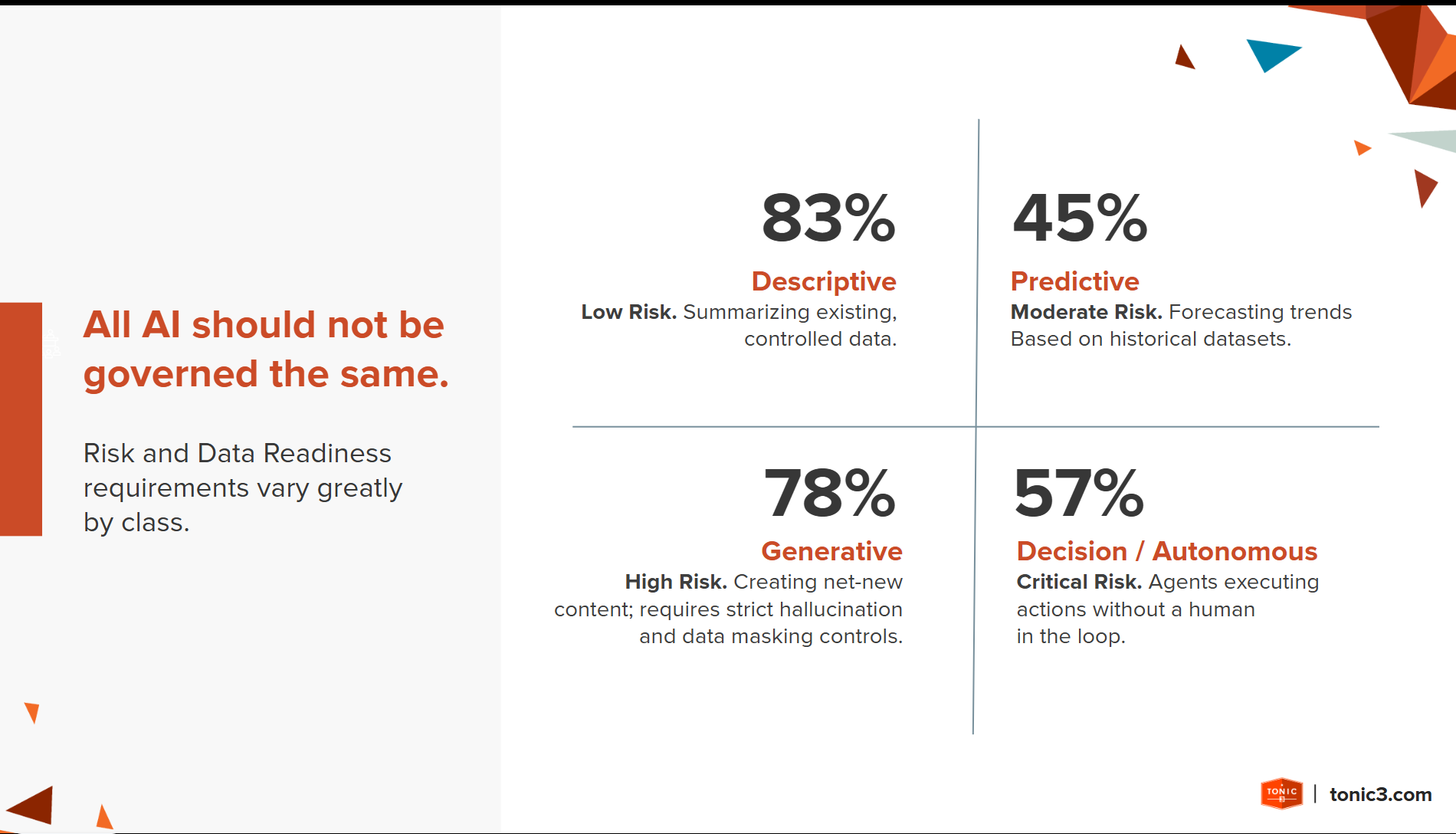
Call them strategic-minded leaders or "logic designers", either way the trend is growing. Harnessing all forms of AI depends on this skill. It provides the framework for building user-centric AI systems that are not only technologically advanced but also deeply intuitive and aligned with the needs and behaviors of our employees. Interaction Design Foundation emphasizes that Human-centered AI (HCAI), aims to create AI systems that augment human capabilities and ensure human control. This human-centered approach, often embodied in Human-in-the-Loop (HITL) design principles, is the linchpin for seamless and purposeful AI integration and accelerated adoption.
As we navigate this transformative era, simply providing access to sophisticated AI tools is insufficient. Your employees need to understand how these tools fit into their workflows, why embracing them could increase productivity, and feel confident in their ability to leverage them effectively. This is where Design Thinking becomes paramount.
Minimizing Friction and Maximizing Efficiency: Poorly designed AI interfaces can create frustration and impede productivity, undermining ROI. Design Thinking emphasizes intuitive, user-friendly experiences, making Experience Design strategists and CX leaders crucial in AI development to ensure these tools enhance team performance. This also improves end customer experience, as effective employee AI use translates to better service. Just as prioritizing well-designed customer experiences boosts profit and satisfaction by reducing friction, the end customer experience is also impacted through an employee’s ability to get the most out of the tools they use to serve and support customers. E-commerce experiences like those outlined here in AI-Driven UX Personalization: How Smart Technology is Revolutionizing E-Commerce Customer Experiences in 2025 offer a great set of reasons for tailoring AI solutions to specific user needs for better adoption and performance.

"Can we prepare ourselves philosophically and methodologically for all the changes that are coming, and guide our society towards a world we actually want to live in."
To recap, we’ve outlined a strong case describing how prioritizing human needs drives innovation, boosts productivity, and delivers a strong return on investment in AI initiatives.
Embedding Design Thinking into our Gen AI initiatives will allow us to proactively shape the future of our organizations, ensuring the integration of AI aligns with our goals for a desirable future– in productivity, innovation and ROI. Google’s Design Strategist Ricardo Prada suggests Experience Design Strategists have an important role in guiding the future design and use of AI. The organizations that are early to embrace human-centered AI experiences will have teams who not just adopt but truly benefit from these technologies.
Our innovative approach to agent orchestration balances automated efficiency with critical human oversight—ensuring both compliance and peak productivity. When trusted technology and expert insight work together, you not only get faster results but also the flexibility to focus on strategic decisions. Elevate your operations and drive ROI with a solution designed for today's dynamic business landscape.
Design Thinking is crucial because it ensures AI solutions are user-centric, addressing real pain points and integrating seamlessly into existing workflows. This approach enhances usability, builds trust, minimizes friction, and fosters faster adoption, ultimately maximizing ROI from AI investments.
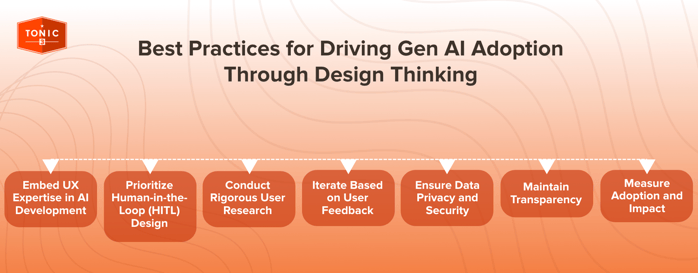
Companies should embed UX expertise in AI development, conduct rigorous user research to understand workflows, prioritize transparency, maintain data privacy, and iterate AI tools based on continuous user feedback. These practices ensure AI solutions are relevant, intuitive, and trusted by employees.
Design Thinking’s iterative process encourages continuous experimentation and feedback, fostering innovation and ownership. This ongoing refinement helps AI tools remain adaptable, usable, and aligned with evolving user needs, thereby sustaining productivity and maximizing long-term value.
Success can be measured by tracking key performance indicators such as user engagement, task completion times, satisfaction levels, and overall impact on productivity. These metrics provide insights into adoption rates and help identify areas for further improvement to boost ROI.
From the days of hand-coded HTML in 1995 to today’s immersive AR/VR playgrounds and genAI explosion, at Tonic3, we've always been about using...
Organizations can elevate performance and realize their full ROI on IT investments with seamless integration of human-in-the-loop (HITL) agent...