3 Steps to Mid-Market Success with Strategic Azure AI Integration
For Change Champions and Performance Drivers, Azure AI is not just a technological advancement; it's a strategic asset that can transform your...

Tonic3 develops and executes strategies that drive profit through Digital Transformation. Practically that means we are built to help clients hone the right strategy, implement the right technology, and build the right long-term capabilities to deliver lasting transformation.
Industries
We believe that effective technology helps people succeed in their daily lives. So we help our clients engineer useful technology for their clients, partners, and employees. That translates to every major industry, but over the years we’ve developed several core areas of expertise.
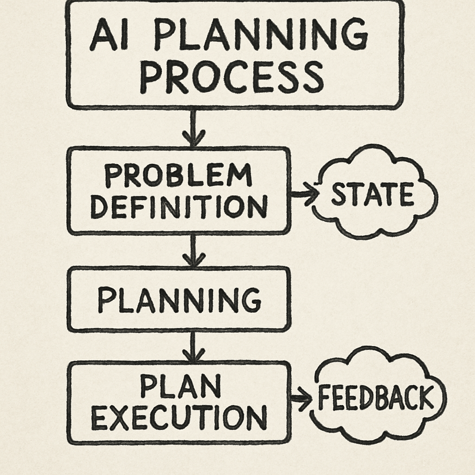
AI is not just a buzzword; it is a tool that can significantly enhance your company's strategic planning process. In this article, we will explore how AI can be leveraged to make more informed decisions, identify potential pitfalls, and ultimately drive business success. By understanding its applications and potential, you can harness AI to gain a competitive edge and innovate within your industry.
AI, at its core, involves using machines to perform tasks that typically require human intelligence. This includes tasks like learning, reasoning, problem-solving, and understanding language. In the context of strategic planning, AI can analyze vast amounts of data to identify patterns and trends that would be impossible for humans to discern. The ability to process and interpret large datasets allows AI to uncover insights that can drive more effective and dynamic strategic planning.
AI can help streamline the strategic planning process by providing data-driven insights. This can improve decision-making, reduce risks, and identify new opportunities for growth. It enables a more proactive approach to strategy, allowing organizations to anticipate changes and act swiftly.
Leveraging AI in strategic planning can offer numerous benefits, including:
Integrating AI into your strategic planning process requires careful consideration of the tools and technologies available. Here are some steps to guide you through the implementation process, ensuring a smooth transition and maximum impact.
Before implementing AI, it is essential to understand your organization's specific needs. Determine what aspects of strategic planning you want to enhance with AI. Is it data analysis, predictive analytics, or automated reporting? Identifying your goals will help you choose the right AI tools. A clear understanding of your objectives ensures that AI integration aligns with your overall business strategy.
There are various AI tools available, each with its own strengths and capabilities. Some popular AI tools for strategic planning include:
AI relies heavily on data. To ensure accurate insights, it is crucial to maintain high-quality data. This involves cleaning and organizing your data, as well as ensuring it is up-to-date and relevant. High-quality data is the foundation of successful AI implementation, ensuring that insights are accurate and actionable.
Implementing AI tools requires a skilled workforce that understands how to use them effectively. Invest in training programs to equip your team with the necessary skills to leverage AI in strategic planning. Continuous learning and development are essential to keep pace with technological advancements and maximize the benefits of AI.
AI implementation is not a one-time effort. It requires continuous monitoring and adjustments to ensure it meets your strategic objectives. Regularly review the performance of your AI tools and make necessary adjustments to optimize their effectiveness. This ongoing process ensures AI tools remain aligned with evolving business goals and market dynamics.
by Husniati Salma (https://unsplash.com/@husniatisalma)
Many organizations have successfully integrated AI into their strategic planning processes. Here are a few examples:
While AI offers many benefits, it also presents challenges that organizations must consider. These challenges require careful planning and management to ensure successful AI implementation.
AI systems often require access to sensitive data. Ensuring data privacy and security is paramount to prevent breaches and protect customer information. Organizations must implement robust cybersecurity measures and comply with data protection regulations to safeguard their data assets.
AI can sometimes make decisions that may not align with ethical standards. It is crucial to establish guidelines and ensure AI systems operate within ethical boundaries. Transparency and accountability in AI decision-making processes are essential to maintain trust and integrity.
Implementing AI can be costly, requiring significant investment in technology and training. Organizations must weigh the costs against the potential benefits to determine if AI is a viable option. A strategic approach to budgeting and resource allocation is necessary to maximize the return on investment.
AI has the potential to transform strategic planning by providing insights that lead to better decision-making and improved business outcomes. As a Chief Technology Officer, leveraging AI in your strategic planning process can help you stay ahead of the competition and drive your organization towards success. The integration of AI into strategic planning offers not just incremental improvements but a fundamental shift in how organizations approach their future.
By understanding the benefits, challenges, and best practices of implementing AI, you can make informed decisions and integrate AI effectively into your strategic planning efforts. Embrace the power of AI and unlock new possibilities for your business with Tonic3. The journey towards AI-enhanced strategic planning is not just about technology adoption but about fostering a culture of innovation and adaptability.
For Change Champions and Performance Drivers, Azure AI is not just a technological advancement; it's a strategic asset that can transform your...
In today's fast-paced business world, the promise of Artificial Intelligence (AI) and Large Language Models (LLMs) to revolutionize enterprise...
AI orchestration is the practice of managing and coordinating multiple AI models, algorithms, data sources, and workflows so they function together...