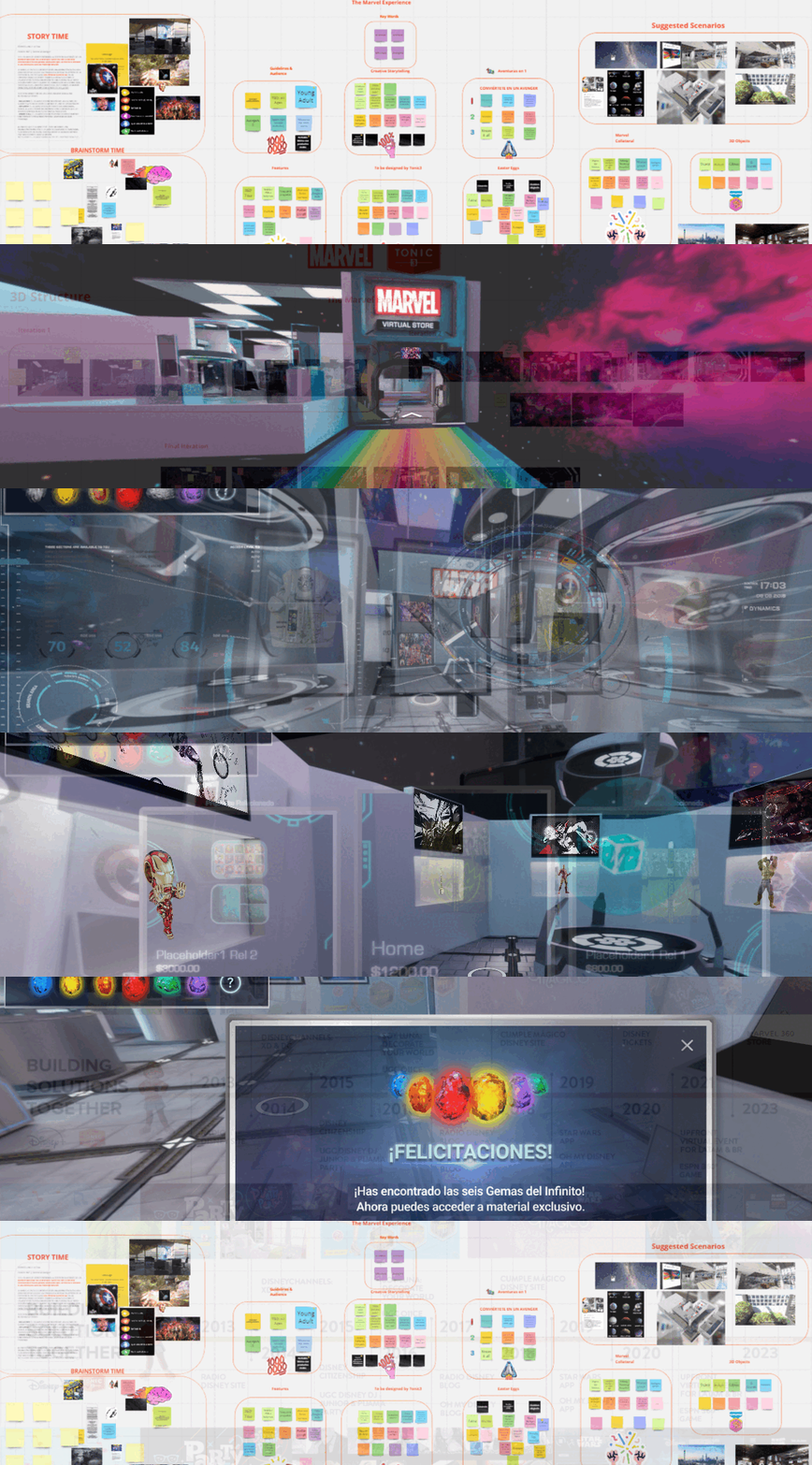
Building a Virtual Store to Maximize ROI Through Innovation
In retail, success is not just about selling products; it's about creating an engaging experience that captures hearts and produces real results.
Tonic3 develops and executes strategies that drive profit through Digital Transformation. Practically that means we are built to help clients hone the right strategy, implement the right technology, and build the right long-term capabilities to deliver lasting transformation.
Industries
We believe that effective technology helps people succeed in their daily lives. So we help our clients engineer useful technology for their clients, partners, and employees. That translates to every major industry, but over the years we’ve developed several core areas of expertise.
The eCommerce industry has experienced tremendous growth in recent years, but the COVID-19 pandemic has accelerated this trend even further. With more and more people turning to online shopping as a safer and more convenient alternative to traditional retail, eCommerce businesses are looking for new ways to create engaging and immersive shopping experiences for their customers. Virtual 360 spaces are one of the latest developments in eCommerce that can help businesses achieve this goal.
A virtual 360 space is a digital environment that allows customers to explore and interact with products in a virtual setting. These spaces are created using 360-degree photography and video, which provide a panoramic view of the environment. Interactive features like hotspots, pop-ups, and clickable objects can be added to these spaces to create an engaging and immersive shopping experience for customers.
One of the biggest advantages of virtual 360 spaces is the ability to create a more engaging and memorable shopping experience for customers. By allowing customers to interact with products in a virtual environment, businesses can provide a more immersive and interactive shopping experience than traditional eCommerce websites. This can help businesses increase customer engagement and loyalty, leading to increased sales and revenue over time.
Virtual 360 spaces can also be used to showcase products in a more creative and compelling way. By creating virtual environments that showcase products in context, businesses can help customers visualize how products might fit into their lives. For example, a virtual 360 space for a fashion retailer might show a model walking down a virtual runway wearing the latest collection, allowing customers to see the clothes in motion and get a better sense of how they might look in real life.
Virtual 360 spaces can also be used for marketing and advertising purposes. By creating immersive and interactive marketing campaigns, businesses can generate buzz and excitement around new products and promotions. For example, a home goods retailer might create a virtual 360 space that showcases a new line of furniture in a unique and creative way, driving interest and engagement with the brand.
Another advantage of virtual 360 spaces is the ability to provide more detailed and informative product information. By creating virtual environments that allow customers to interact with products in a more detailed way, businesses can provide a more complete and accurate picture of their products. For example, a virtual 360 space for a car dealership might allow customers to explore the interior of a car, providing a more detailed view of the features and amenities than traditional product photos can.
Virtual 360 spaces can also help eCommerce businesses overcome some of the limitations of traditional eCommerce websites. For example, virtual 360 spaces can help businesses address issues related to product size and fit. By allowing customers to see products in a virtual environment, businesses can help customers get a better sense of how products might fit into their lives. This can help reduce returns and increase customer satisfaction over time.
Overall, virtual 360 spaces are an exciting new development in eCommerce that can provide a wide range of benefits for businesses and customers alike. By creating immersive and engaging shopping experiences, businesses can increase sales and customer loyalty, while also providing more detailed and informative product information. As eCommerce continues to evolve, virtual 360 spaces are likely to become an increasingly important tool for businesses looking to create unique and compelling shopping experiences for their customers.
In retail, success is not just about selling products; it's about creating an engaging experience that captures hearts and produces real results.
Ever wondered how you can harness the power of cutting-edge technologies to supercharge your business performance?
In this article, we’ll explain what VR testing (or virtual reality testing) is and the three most common reasons for doing it, namely to gauge users'...