
.jpg) Ale Sanchez
Ale Sanchez
Streamline Automated Workflows with HITL Agent Orchestration
 Tonic3 : May 26, 2025, 2:19:26 PM
Organizations can elevate performance and realize their full ROI on IT investments with seamless integration of human-in-the-loop (HITL) agent...
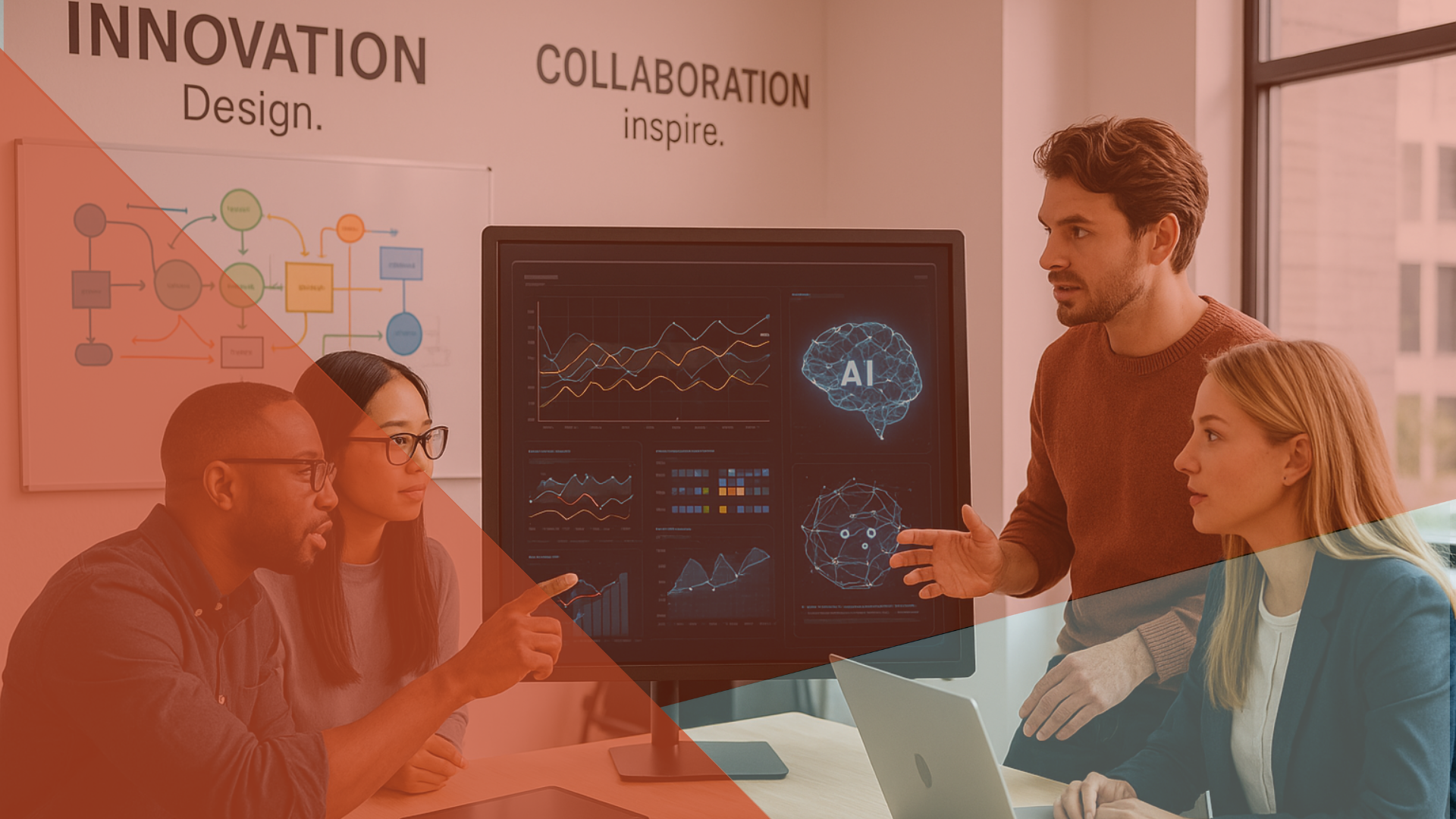
AI orchestration is the practice of managing and coordinating multiple AI models, algorithms, data sources, and workflows so they function together as a single, reliable system. Like a conductor leading an orchestra, orchestration ensures each component performs at the right time, communicates effectively with other parts, and contributes to a common business objective. When done well, AI orchestration increases efficiency, improves decision-making, lowers operational friction, and unlocks more value from data and models.
Complexity: Modern AI solutions typically involve several models, data streams, feature stores, preprocessing steps, and human-in-the-loop processes. Orchestration makes these moving parts dependable and maintainable.
Scale: Orchestration automates deployment, scaling, versioning, and routing so systems behave predictably under changing loads and data conditions.
Reliability: Coordinated monitoring, retries, fallbacks, and governance reduce downtime and unintended behavior.
Business alignment: Orchestration connects technical components to business workflows and KPIs, ensuring models produce useful outcomes, not just predictions.
Adopting Systems Thinking complements AI orchestration by shifting focus from isolated features to whole-system behavior.
This mindset encourages:
Cross-functional collaboration: Teams share context about data flows, model assumptions, and downstream impacts, improving alignment and reducing silos.
Proactive problem solving: By mapping interactions and feedback loops, teams can anticipate bottlenecks and design resilient architectures rather than just reacting to incidents.
Continuous learning: Systematic measurement and feedback enable iterative improvements; performance data informs model retraining, pipeline tuning, and UX adjustments.
Ownership and accountability: When individuals understand their role in the broader system, they contribute more meaningfully and help sustain long-term value.
An AI Systems Orchestrator is responsible for the architecture and logic that allow distributed AI components to work together—integrating models, pipelines, decision rules, human inputs, and automation. This role blends systems engineering, data and ML knowledge, and product thinking.
A UX designer primarily focuses on the user experience—how people interact with and perceive a product. While both roles care about users, the Orchestrator aligns technical capabilities with business goals and operational constraints, ensuring the system’s internals support usable, predictable outcomes. Effective AI solutions require both perspectives: robust orchestration and thoughtful user-centered design.
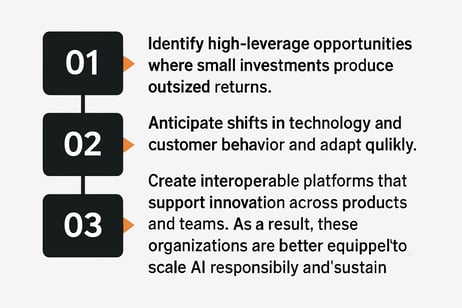
Organizations that apply Systems Thinking move beyond incremental fixes to strategic, future-ready solutions.
By considering end-to-end flows and market dynamics, leaders can:
AI orchestration brings together models, data, and people into coherent, trustworthy systems. Combined with Systems Thinking, it fosters collaboration, resilience, and continuous improvement—enabling organizations to build AI solutions that are both effective today and adaptable tomorrow.
Tonic3 helps organizations design, build, and operate production-grade AI systems with a practical, systems-driven approach. Our services include AI orchestration strategy and roadmap, systems architecture and integration, MLOps and deployment pipelines, data engineering and feature stores, model governance and observability, human-centered design and human-in-the-loop workflows, pilot-to-scale implementation, and training and change management. We partner with your teams to align technical design with business outcomes, reduce operational risk, and accelerate measurable value from AI.
Use this meeting scheduler for convenient planning so we can evaluate your current state, prioritize the highest-impact opportunities, and deliver resilient, scalable AI solutions.
 Tonic3 : May 26, 2025, 2:19:26 PM
Organizations can elevate performance and realize their full ROI on IT investments with seamless integration of human-in-the-loop (HITL) agent...
 Tonic3 : Oct 13, 2025, 7:15:00 AM
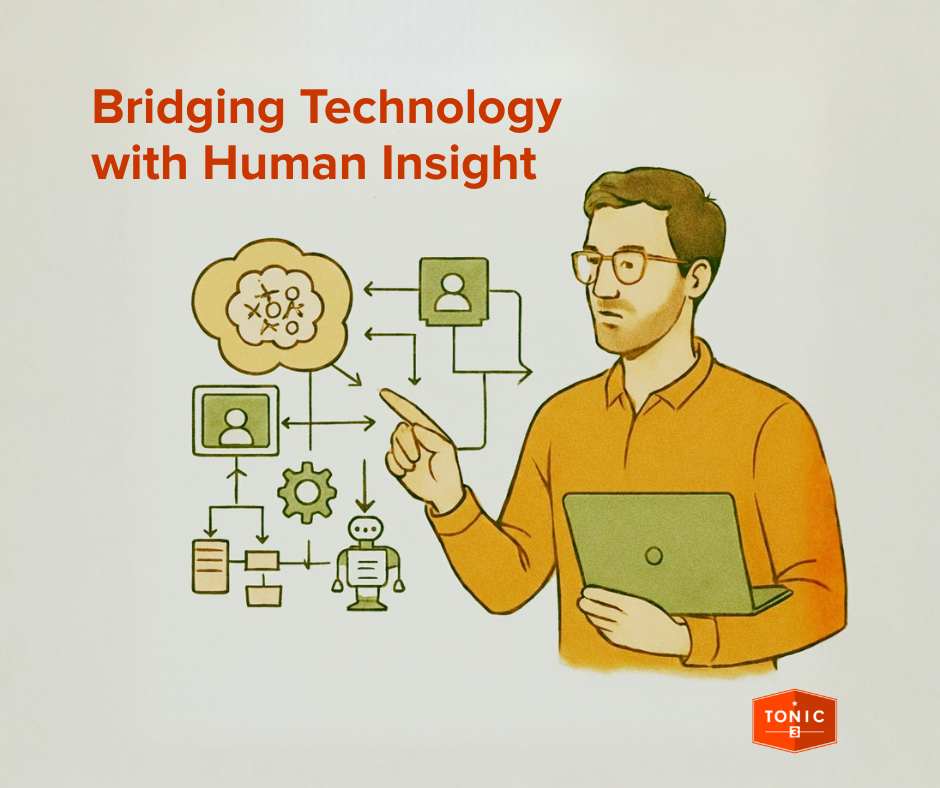
Explore the transformative journey from traditional design thinking to the innovative realm of AI systems orchestration, and understand how it is...

 Delfina Castrogiovanni : Dec 2, 2025, 4:33:02 PM
Discover top visual tools for agent orchestration that enhance productivity and streamline workflows for mid-size businesses, offering flexibility,...