AI-Powered Risk Assessment: Defensible, Explainable Risk Management
In the current regulatory environment, transparency is essential. Regulators require detailed explanations for identified risks, and vague responses...
Tonic3 develops and executes strategies that drive profit through Digital Transformation. Practically that means we are built to help clients hone the right strategy, implement the right technology, and build the right long-term capabilities to deliver lasting transformation.
Industries
We believe that effective technology helps people succeed in their daily lives. So we help our clients engineer useful technology for their clients, partners, and employees. That translates to every major industry, but over the years we’ve developed several core areas of expertise.
3 min read
Tonic3
:
Jul 7, 2026 8:17:24 PM
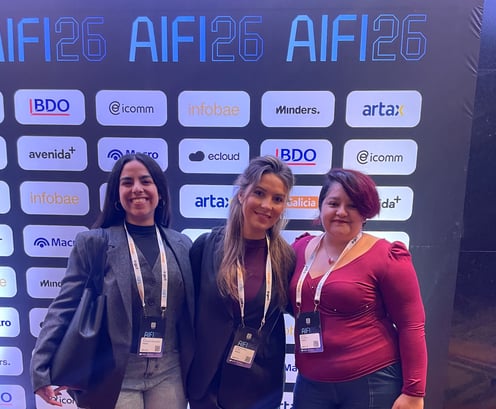
We were in the room — and these are the real conversations.
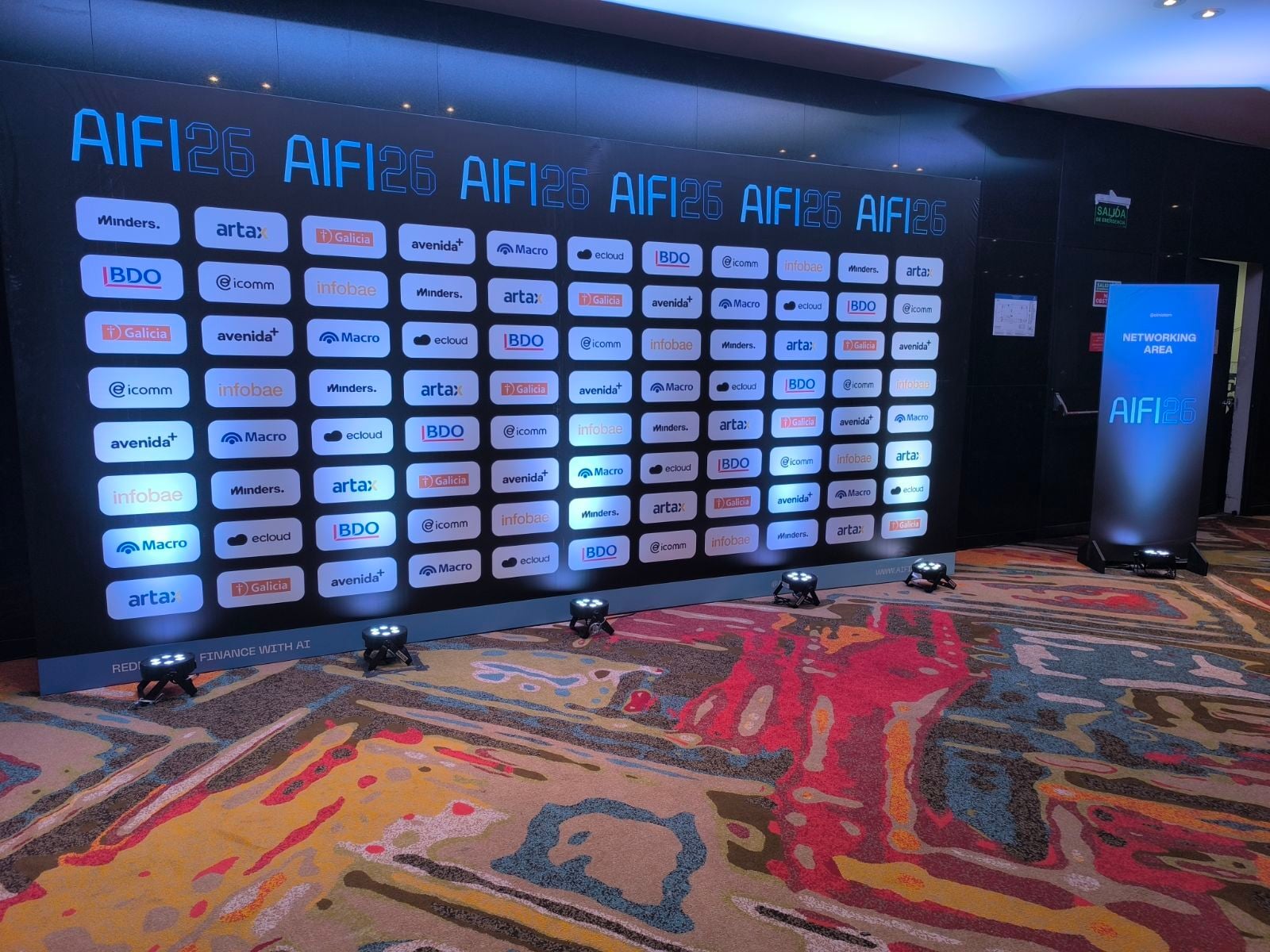
AIFI26 — AI in Finance brought together leaders from banks, fintechs, insurers, and payment networks in Buenos Aires for what turned out to be a day less about AI's potential and more about the hard realities of making it work. More than 1,500 attendees and 50 speakers from leading organizations converged on one central question: not whether AI belongs in financial services, but how to deploy it without breaking what already works.
While this event is a well-established platform for exploring how new technologies are transforming financial models and redefining customer relationships across LATAM, the themes that emerged are playing out across banking markets globally. This year's discussions reflected the industry's new maturity. The hype phase is over. Finance leaders at AIFI26 were talking about middleware, change management, and customer churn, not demos.
Three friction points emerged from those conversations appearing consistently across institutions of every size, and in every geography: the infrastructure gap between legacy systems and modern AI models, the human and organizational challenge of defining what AI should actually do, and the experience layer that separates fintech products that retain customers from those that lose them to the next app that looks identical.
Our team captured a perspective on each. Below, three members of the Tonic3 team share what they heard— and what it means if you're planning your next AI investment.

Sol Márquez, Innovation & Technology Analyst — Infrastructure & AI, Tonic3
The conversation around AI in banking has shifted dramatically. It's no longer a question of "does it work?" — it's "how do we scale it over infrastructure built decades ago?"
At AIFI26, leaders from Payway, Banco Galicia, and Santander Argentina kept returning to the same friction point: the legacy bottleneck. Building an advanced AI agent is one thing. Integrating it seamlessly with mainframes while maintaining bulletproof data governance is another challenge entirely.
The most successful implementations we saw weren't the ones with the flashiest algorithms. They were the ones that successfully bridged the gap between cutting-edge models and legacy architectures — through deliberate middleware strategy, flexible data governance, and a clear-eyed view of vendor dependency.
The ROI question isn't just "can we build this?" It's "can our current data layer support it at scale?" For most institutions, that answer requires honest architectural work before the AI investment pays off.
What has been your biggest hurdle in preparing your data layers for autonomous AI agents? Join the conversation or connect with Sol directly on Linkedin.
Virginia Elisei, Digital Solutions Advisor, Tonic3
As AI continues to evolve across financial institutions, one pattern keeps emerging: success depends less on the technology itself and more on how clearly you define the problem you're trying to solve.
At AIFI26, institutions like Banco Macro and Ualá were candid about this. The ambition is real— democratizing credit access, scaling operational efficiency, reducing manual overhead. But the cultural and organizational hurdle is often larger than the technical one. AI excels at execution. Humans have to define the parameters precisely, and when legal, technical, and business teams are operating in silos, that definition process breaks down before a single model is deployed.
What emerged from these conversations was a concept worth naming: definition risk. The gap between what leadership wants AI to do and what the organization has actually specified clearly enough for AI to do it. Closing that gap requires hybrid profiles, people who can translate between business intent and technical execution, and internal tools designed to empower teams rather than create new dependencies.
The question we are asking leaders: what's the biggest challenge you face when defining the right problem for AI to solve?
That's where the real work starts. Connect with Virginia on Linkedin.
Rocio Olivera, Innovation & Technology Analyst — UX & Experience, Tonic3
Fintech products are facing rapid commoditization. Transfers, digital accounts, credit offers— they look identical across platforms. What MODO, Personal Pay, and YPF Digital made clear at AIFI26 is that the next competitive battleground is the experience layer.
Whether it's adding emotional context to transactional moments, proactively shaping user financial habits, or designing a digital layer that extends rather than replaces physical touchpoints, human-centric design is what creates trust. "Cold automation" is no longer just a design risk. In a market with zero switching costs and near-zero customer loyalty, it's a churn risk.
The institutions winning right now aren't the ones with the most features. They're the ones that make customers feel seen, not just served.
Let's talk about what that looks like for your product. Connect with Rocio on Linkedin.
Infrastructure, organizational readiness, and experience design aren't separate problems. They're the same problem viewed from three angles — and organizations that treat them in isolation tend to solve one while creating friction in the other two.
Tonic3 works at the intersection of UX, AI, and engineering precisely because that's where these challenges meet. If these topics surface questions your team is still sitting with, we'd like to be part of the conversation.
Want a broader look at what this year's conference signals for enterprise AI strategy? Our full takeaways piece from Tonic3 founder Pablo Sigler is coming soon.
In the current regulatory environment, transparency is essential. Regulators require detailed explanations for identified risks, and vague responses...
Summary: This case study reviews a Level 1 Fraud workflow that was ripe for automation. Bottlenecks, Busywork, and Bottled Potential
Companies are already reporting 75% AI projects delivered. Planned. Delivered. We've talked with companies still ironing out their first wave of AI?...